
By Edwin Musoni
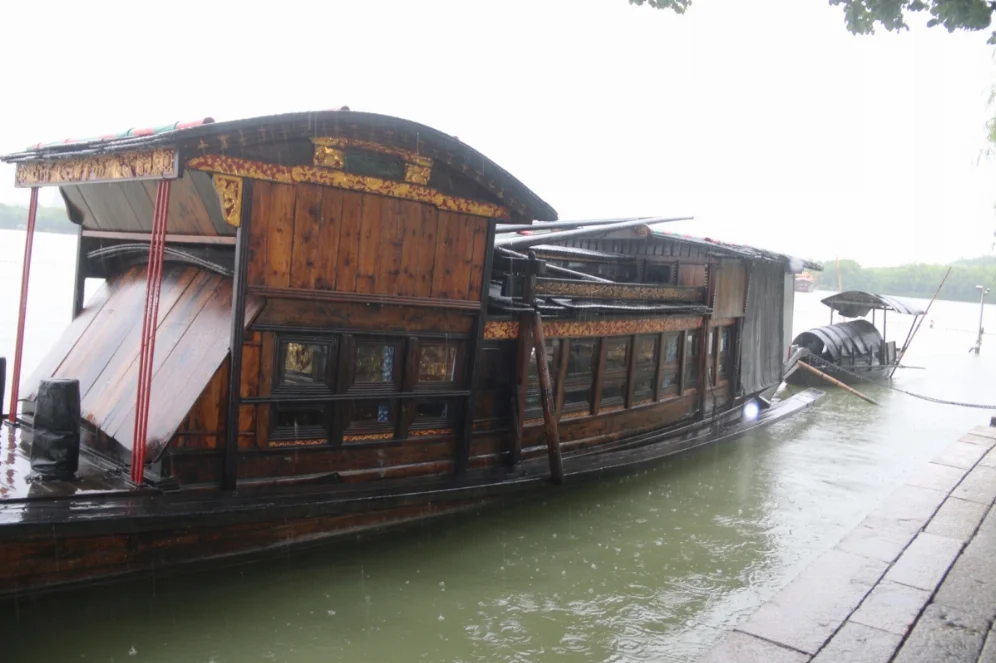
The replica of the Red Boat on Nanhu Lake is a popular tourist attraction in the city of Jiaxing, east China’s Zhejiang Province
Picture a small wooden boat, painted red, rocking gently on a quiet lake in a town most people couldn’t find on a map. It was aboard that modest vessel that the story of modern China began 105 years ago.
It was July 1, 1921. There was no national anthem, no fireworks, and no grand hall. Just water, secrecy, and a handful of young idealists who had fled Shanghai in haste, betting everything on the belief that a broken and humiliated country could rebuild itself from the ground up.
The Red Boat is real, and it still floats today on South Lake in Jiaxing, carefully preserved as a reminder that history is not always made in palaces or on battlefields. It was aboard this vessel that the Communist Party of China (CPC) was founded.
One hundred and five years later, that gamble has transformed one of the world’s largest nations in ways few could have imagined.

In one click, you can order food and its delivered to your door steps by a drone
Every July 1, China marks the founding of the CPC. Just days later, thousands of kilometres away, Rwanda commemorates Liberation Day on July 4, marking the end of the 1994 Genocide against the Tutsi and the beginning of the country’s reconstruction under the Rwanda Patriotic Front (RPF).
The proximity of these anniversaries invites reflection. Though shaped by different histories, both countries place strong emphasis on national unity, discipline, long-term planning, and development as pillars of rebuilding.
Travel across China and the country quickly becomes more than a collection of skyscrapers and high-speed railways. It tells the story of a nation that pursued its development goals with remarkable consistency.
From the Red Boat in Jiaxing to Shanghai’s glittering skyline, Hangzhou’s innovation hubs, and Chengdu’s industrial heartland, the journey reveals different chapters of one broader story—a country steadily delivering on its ambitions.
Shanghai: Where tomorrow arrives early
Shanghai does not ease visitors in—it announces itself. The city seems to have made a pact with time, always staying one step ahead.
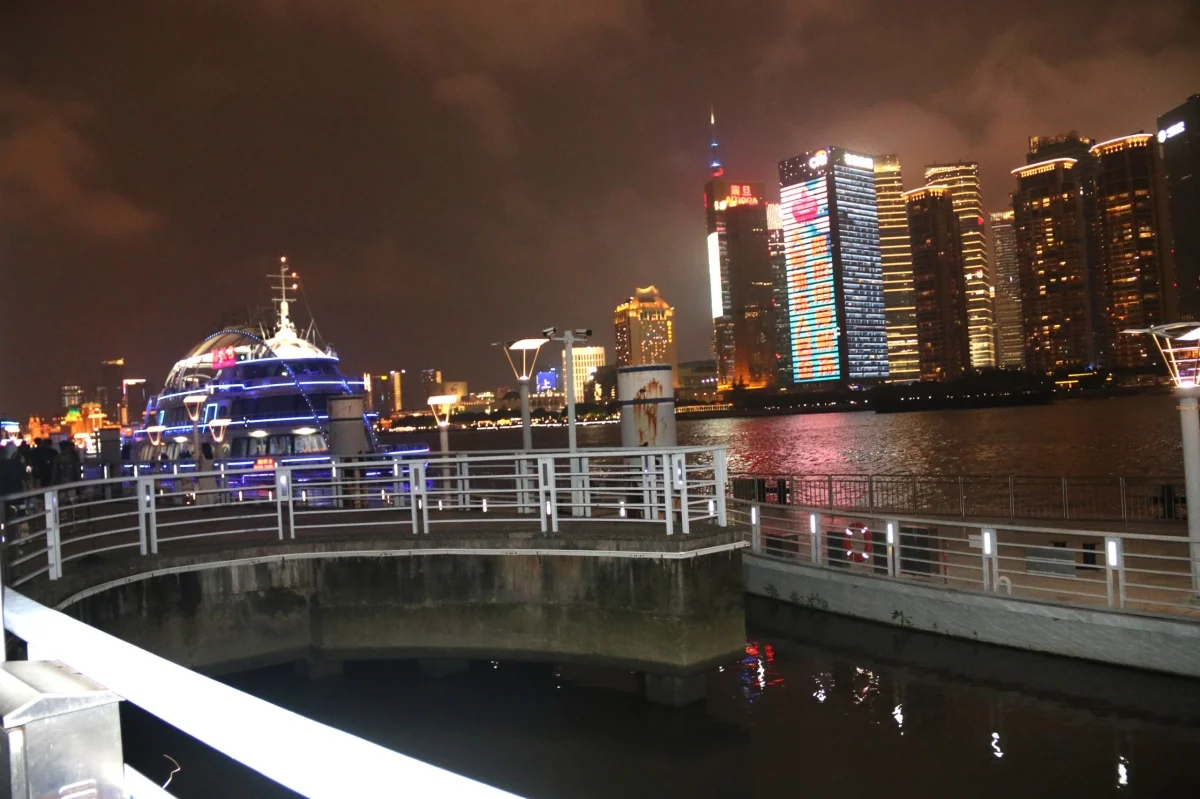
A Shanghai Huangpu River cruise is an standout experience. It perfectly captures the city’s duality by offering unparalleled water-level views of the historic architecture
A night cruise along the Huangpu River offers one of the clearest illustrations of this contrast. On one bank, the Bund glows with its century-old colonial architecture, reflecting Shanghai’s trading past. Across the river, the skyline of Lujiazui shines with the Oriental Pearl Tower, Shanghai Tower and Jin Mao Tower, symbols of China’s modern ambitions.
Between the two riverbanks, Shanghai presents itself as a city where history and the future coexist comfortably.
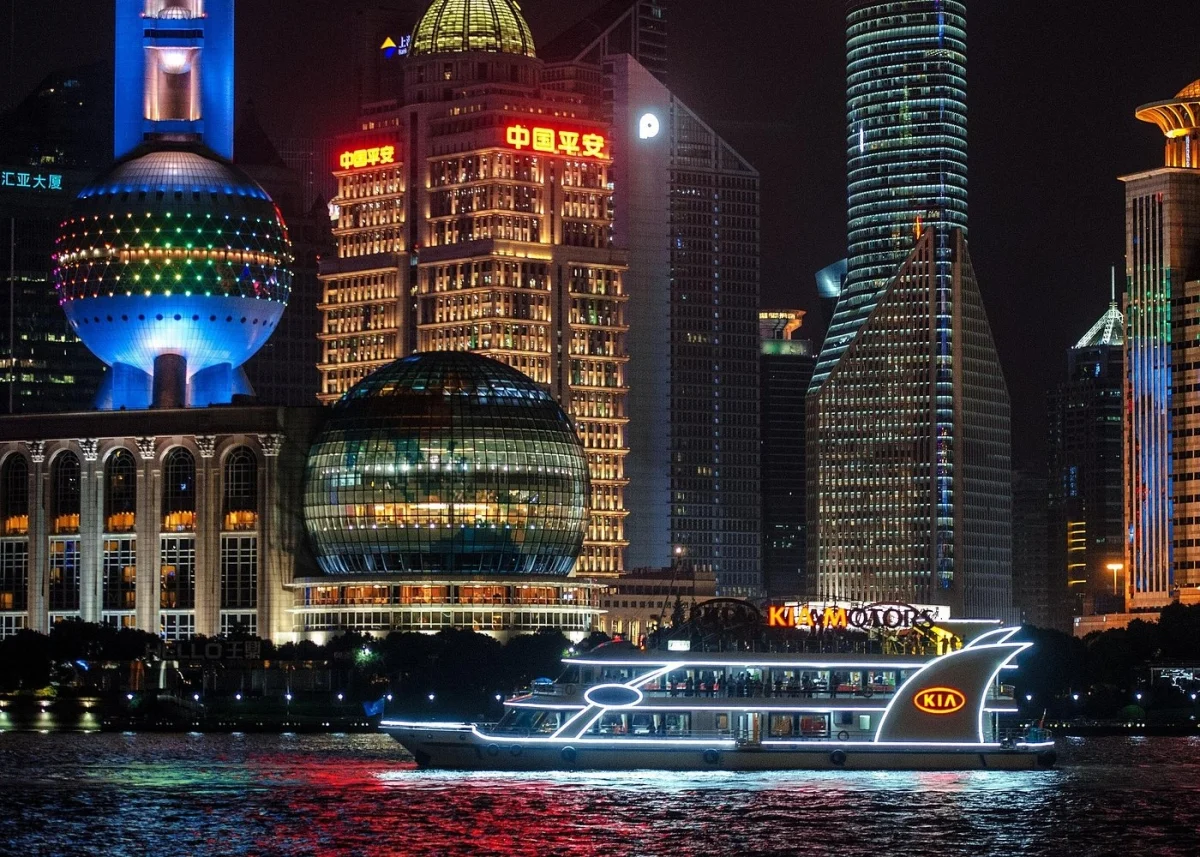
Huangpu River Cruise and Bund City Lights Evening Tour of Shanghai
A visit to the Shanghai Urban Planning Exhibition Center deepens that impression. At its centre sits an enormous scale model of the city, meticulously recreating every neighbourhood, bridge, highway and skyscraper.
More than an exhibition, it offers a glimpse into how carefully the city’s growth has been planned.
Hangzhou: Where innovation meets nature
If Shanghai impresses through scale, Hangzhou wins visitors over with balance—combining technological innovation with natural beauty.
At Alibaba’s headquarters, we stepped into the ecosystem of one of the world’s most influential technology companies. The campus feels less like a corporate headquarters than a sprawling park, with green spaces woven throughout the grounds.
Employees move around on foot or by bicycle, while facial recognition technology quietly manages access to different facilities. The technology rarely draws attention to itself—it simply works, reflecting the company’s approach to digital innovation.
Founded in a Hangzhou apartment in 1999, Alibaba has grown into a global e-commerce giant while maintaining a culture that still celebrates its entrepreneurial roots.
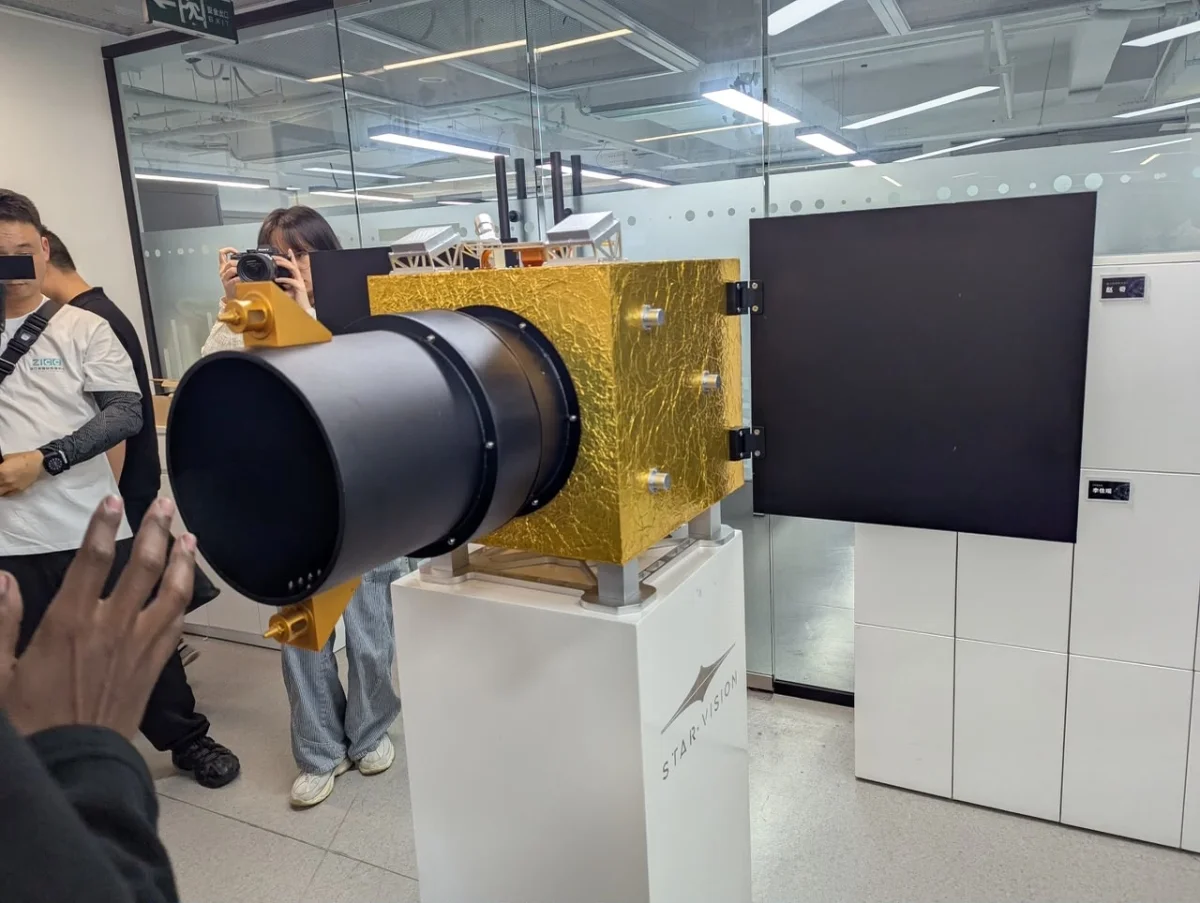
Star Vision’s AI-powered satellites have built-in intelligent systems that process satellite data directly in space, significantly reducing the time needed to deliver the necessary information to Earth
One of the most surprising stops came at STAR.VISION Space Technology in Hangzhou’s Cloud Town.
Inside, engineers worked on compact satellites equipped with artificial intelligence capable of processing data directly in orbit, reducing the need to transmit raw information back to Earth before analysis.
There, I met two Rwandan students, Eric Ibyishaka and Samuel Ishimwe, both studying Remote Sensing and GIS at Beihang University and completing internships at STAR.VISION. They explained how embedding AI algorithms directly into satellite payloads allows satellites to generate actionable insights almost immediately after capturing images.
The company has already launched several AI-powered satellites, and discussions about future missions felt remarkably routine—highlighting how space technology has become an increasingly practical part of China’s innovation landscape.
Chengdu: Industry with a human touch
Chengdu’s industrial strength is perhaps best represented by Dongfang Electric, one of the world’s leading manufacturers of power-generation equipment.

Chengdu Panda Park has a diverse ecosystem.
Walking through its massive production facilities, visitors encounter hydroelectric turbine generators destined for some of China’s largest dams alongside offshore wind turbines rated at 26 megawatts—the most powerful of their kind.
Dongfang Electric has also supplied equipment to Rwanda, making the visit particularly meaningful. Standing among machinery that helps power communities across continents offers a powerful reminder of the growing industrial ties between the two countries.
A journey through China’s transformation
From a small red boat on South Lake to cutting-edge satellite technology, advanced manufacturing plants and vibrant modern cities, the journey tells the story of a country that pursued long-term development with determination and consistency.
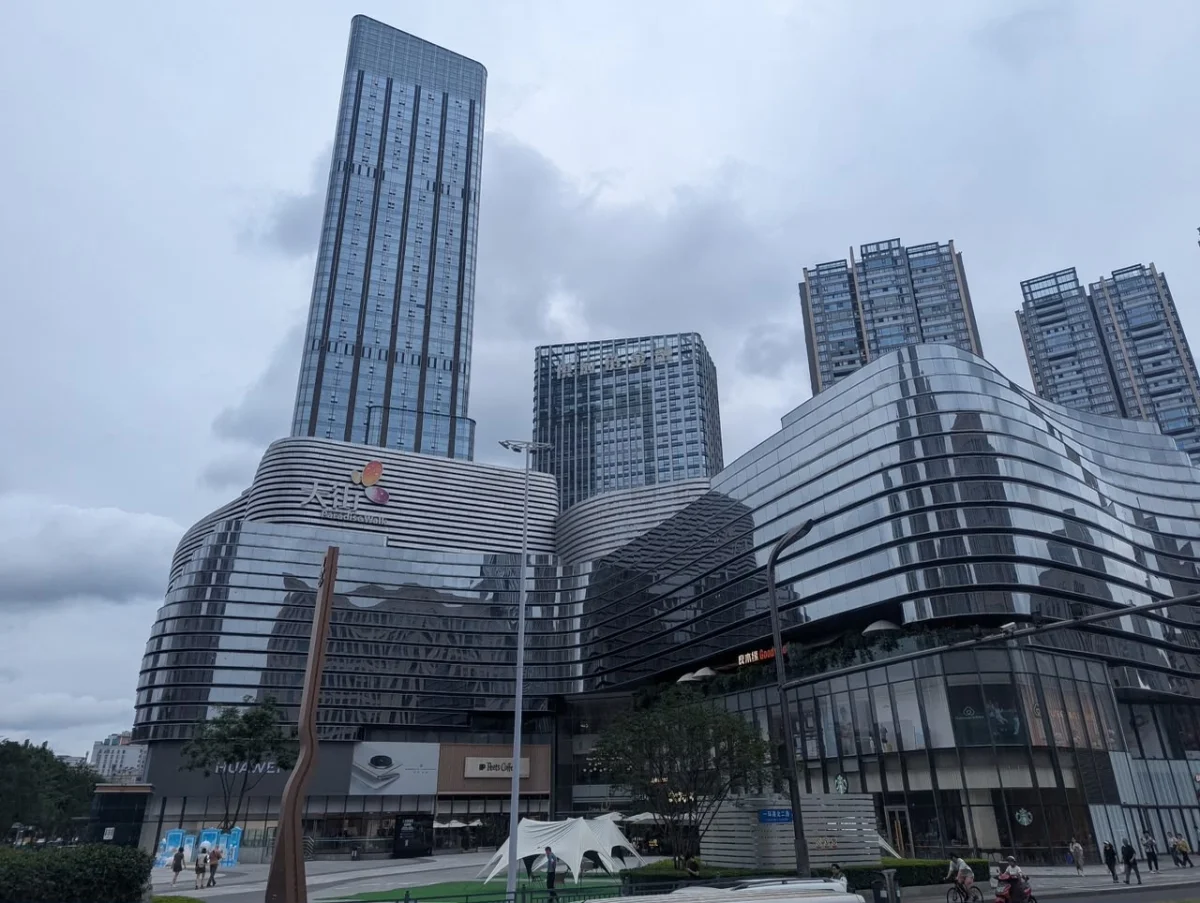
Towering buildings of Guangzhou city skyline
It also highlights the growing relationship between China and Rwanda, built on decades of cooperation across infrastructure, technology, trade and human capacity development.
Each July, China celebrates the founding of the Communist Party, while Rwanda marks its Liberation Day only days later. Though rooted in different historical experiences, both commemorations reflect national journeys centred on rebuilding and development.
As the old Chinese saying goes, “A single spark can start a prairie fire.” History also shows that, sometimes, a single small boat can help shape the course of a nation.
Source: the newtimes
The article reflects the authors’ opinions and not necessarily the views of BRJN.